December – March
Winter
75 °F
air72 °F
sea
air72 °F
sea
- Whale sharks at their peak
- Gray whales in Bahía Magdalena (2 h away)
- Sea lion pups at Los Islotes
- Carnaval de La Paz (February)
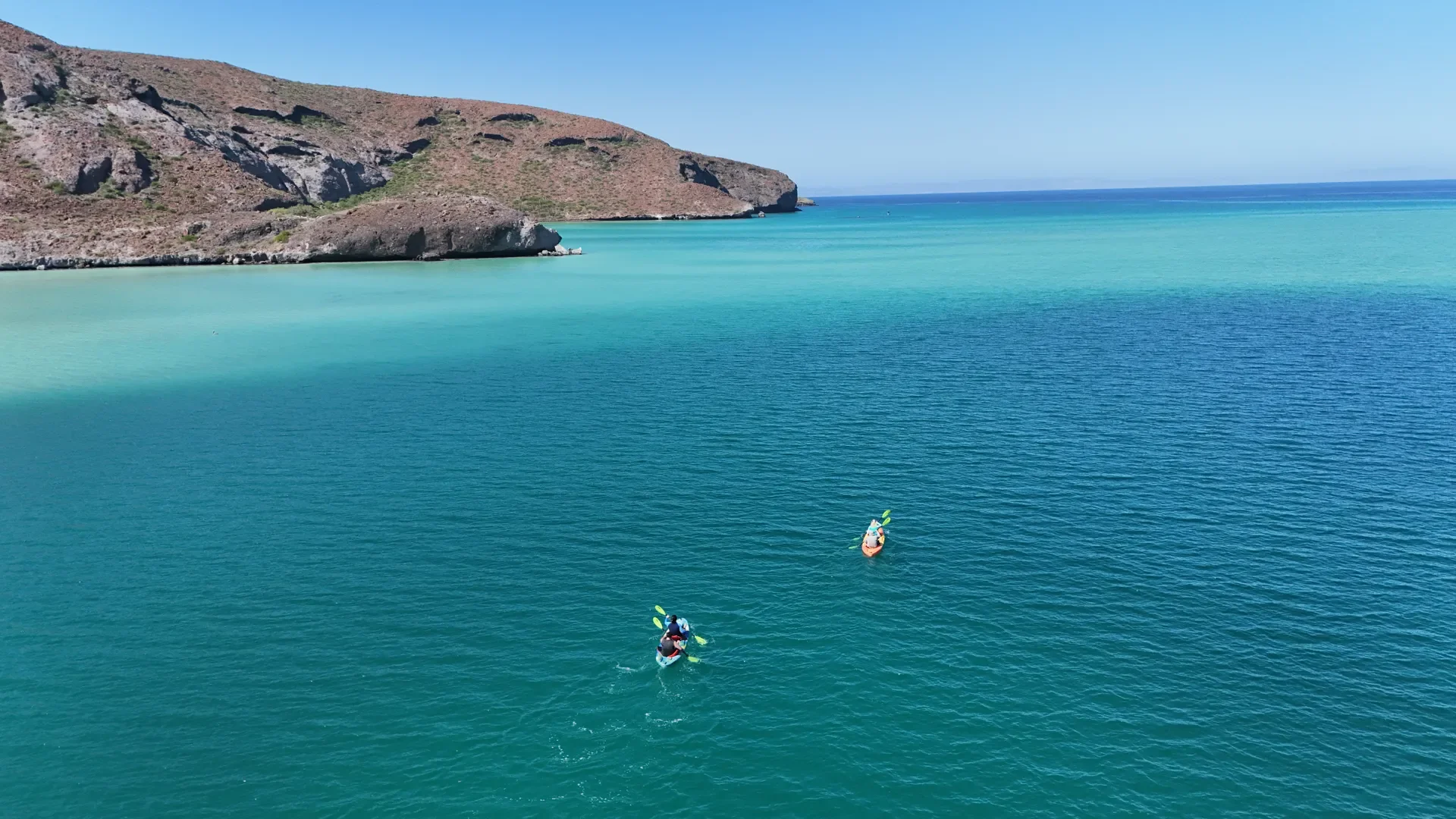
Shallow, glass-calm beaches, a UNESCO world heritage island and the largest fish on earth twenty minutes from the waterfront. This is what we see every week, and what we tell every guest who stays in one of our homes.
Fig. 0 — Bay of La Paz · 24°19′ N 110°19′ W
La Paz is the capital of Baja California Sur and, at the same time, the least touristy place at the bottom of the peninsula. It sits on the Sea of Cortez side, a two-hour drive north of Los Cabos, and it has no hotel strip: it is a working city, with a market, a cathedral and three miles of waterfront promenade where people come out to walk when the sun drops.
What makes it singular is the water. Jacques Cousteau called the Sea of Cortez “the world’s aquarium”, and La Paz is the launching point for the best of it: Espíritu Santo island, the sea lion colony at Los Islotes and, from October to April, the whale sharks that come to feed inside the bay itself.
It suits families, couples and groups of friends who want untouched nature without the scale of a resort; it suits divers, anglers and anyone planning to spend a month working with the sea in front of them. We live here and we rent out homes here. This guide is what we tell every guest.
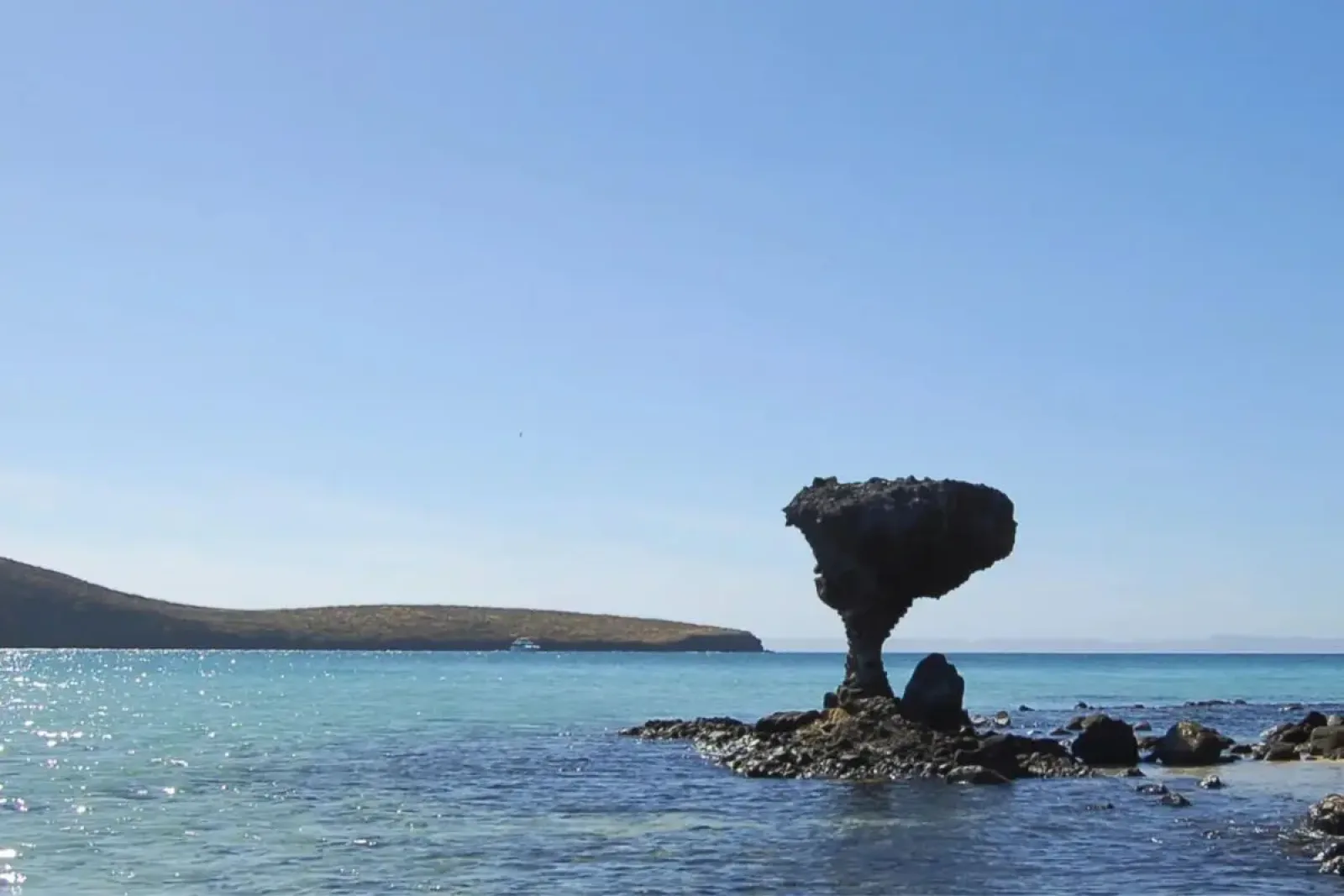
A closed turquoise cove that stays waist-deep for hundreds of yards, ringed by ochre hills and mangrove. It is the most photographed beach in Mexico, and its mushroom-shaped rock, El Hongo, is the symbol of the city. Because it is a protected natural area, entry is capped and split into two shifts a day: no restaurants, no vendors, just sand, water and quiet.
Take the first shift and you get the cove almost to yourself. Bring water, shade and a snorkel — there is nothing to buy there. If the cap is full, El Tecolote is five minutes away, with palapas and restaurants looking straight at Espíritu Santo.
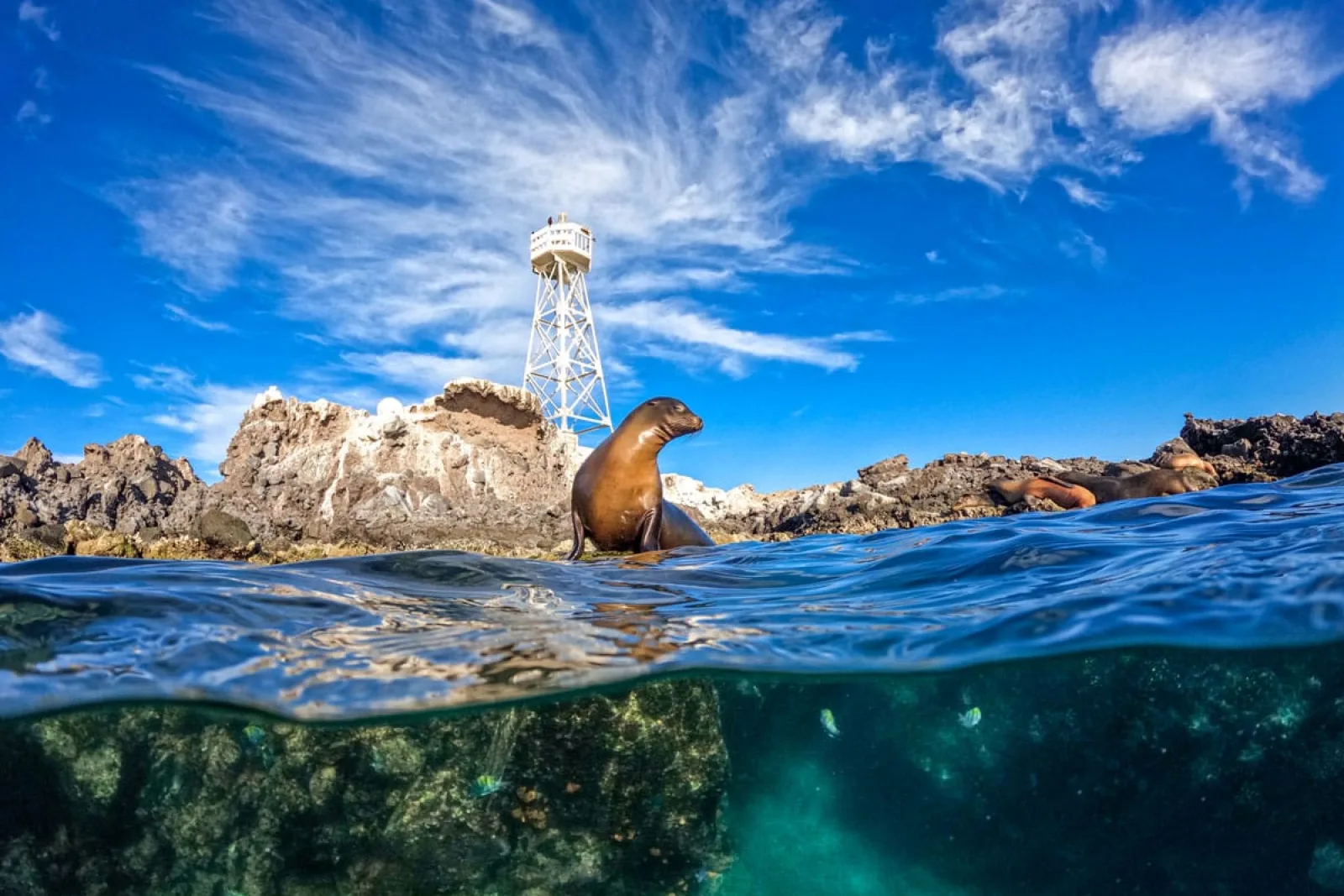
An uninhabited island of red cliffs and white-sand coves, part of the UNESCO-listed islands of the Gulf of California. The day trip leaves from the Malecón, stops to snorkel with the sea lion colony at Los Islotes and has lunch on an empty beach. It is the one excursion nobody should skip.
Book ahead in high season — the permitted boat numbers sell out. We work with certified operators who respect the park limits; ask us for the contact when you book your dates.
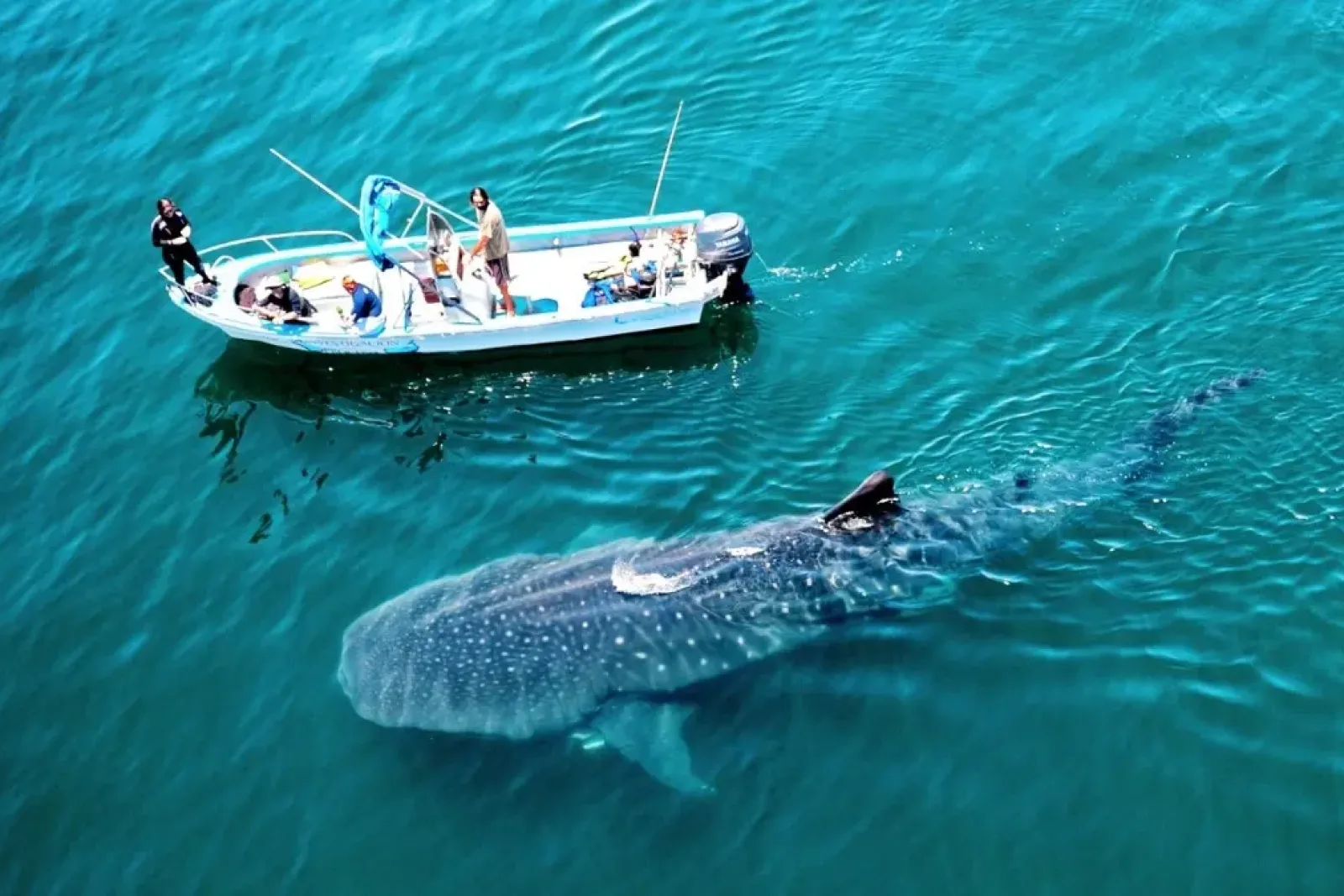
Every winter the whale sharks — the largest fish in the world, harmless and slow — move into the bay of La Paz to feed on plankton, minutes from the waterfront. You snorkel alongside them in small groups under strict distance rules. La Paz is one of the few places on earth where this is close to a sure thing in season.
January to March is the peak. Tours leave early and run about three hours, so you still have the afternoon for the Malecón.
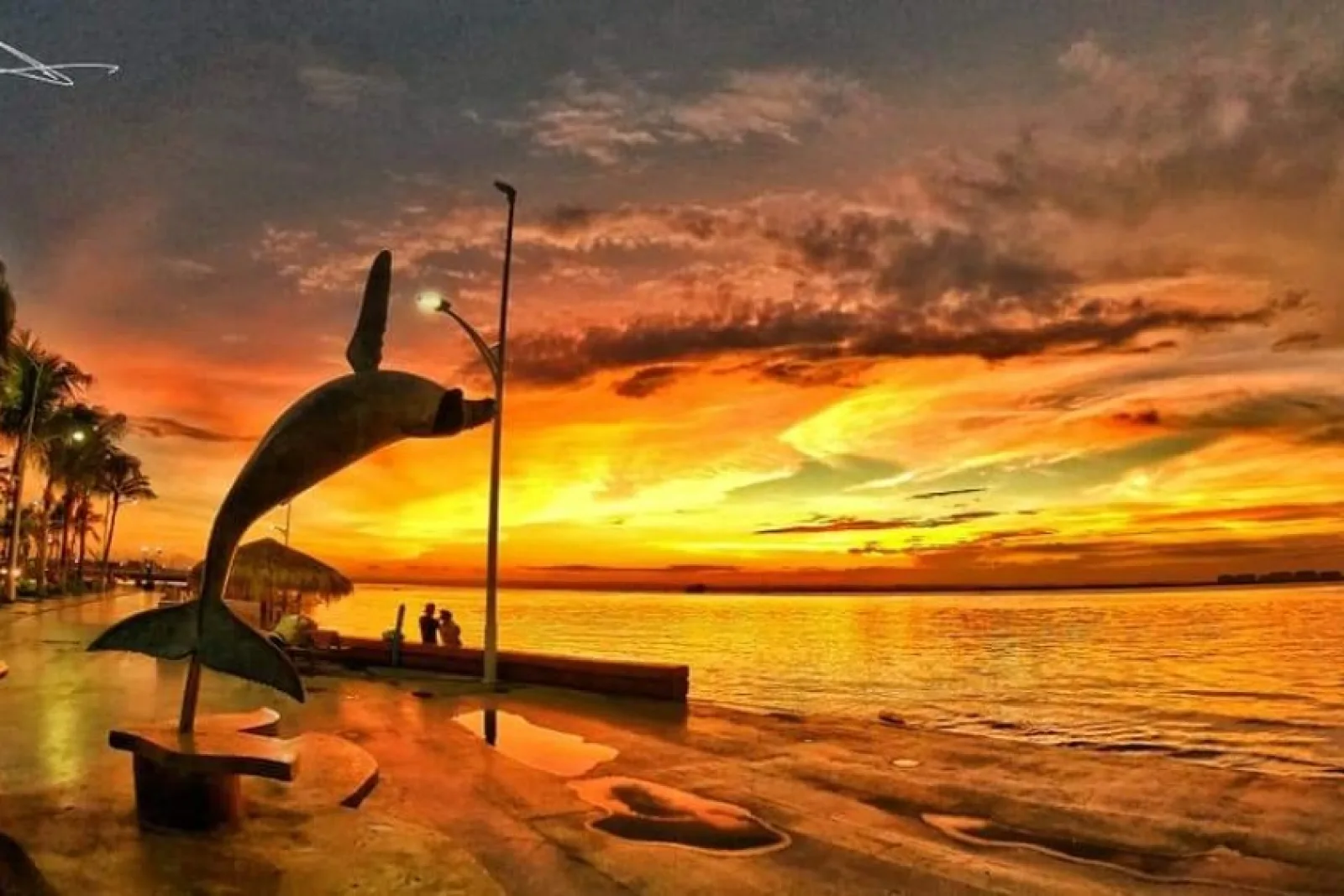
Three miles of waterfront promenade, with bronze sculptures, piers, city beaches and the old town a block away. This is where the boats leave for the island and the whale sharks, and this is where the day ends: La Paz faces west, and the sunset over El Mogote is the best free show in town.
Ice cream at La Fuente and a walk out to the old customs pier at sunset. In February the Carnaval takes over the Malecón — one of the biggest street festivals in the state.
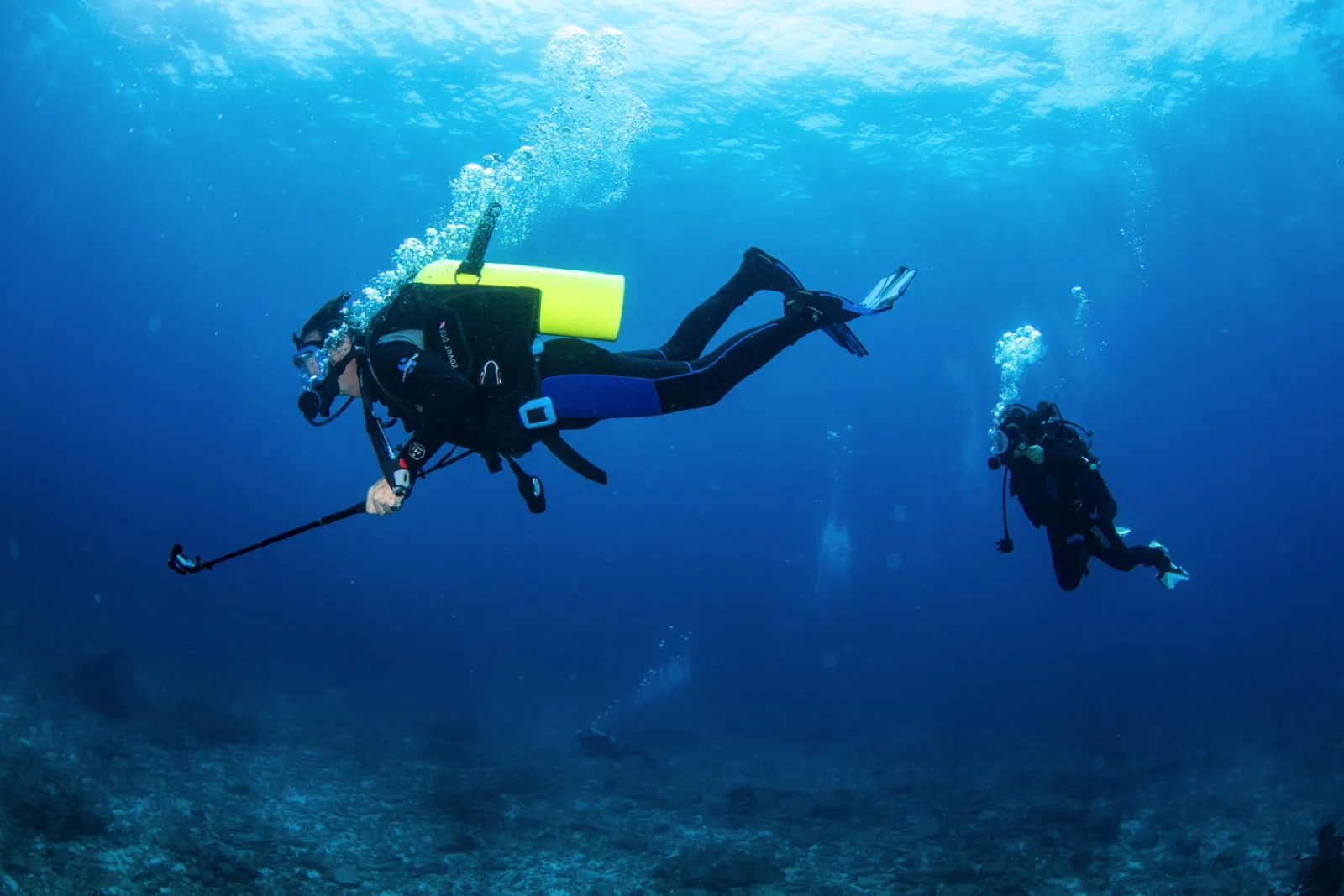
Reefs, wrecks and seamounts with a density of life that surprises experienced divers: sea lions, mobula rays, enormous schools of fish and, with luck, dolphins and whales from the boat. There are sites for open-water certification and sites for advanced divers, with the best visibility from May to November.
Several of our homes have somewhere to rinse and hang gear. Tell us you are coming to dive and we will point you to the one that works best.
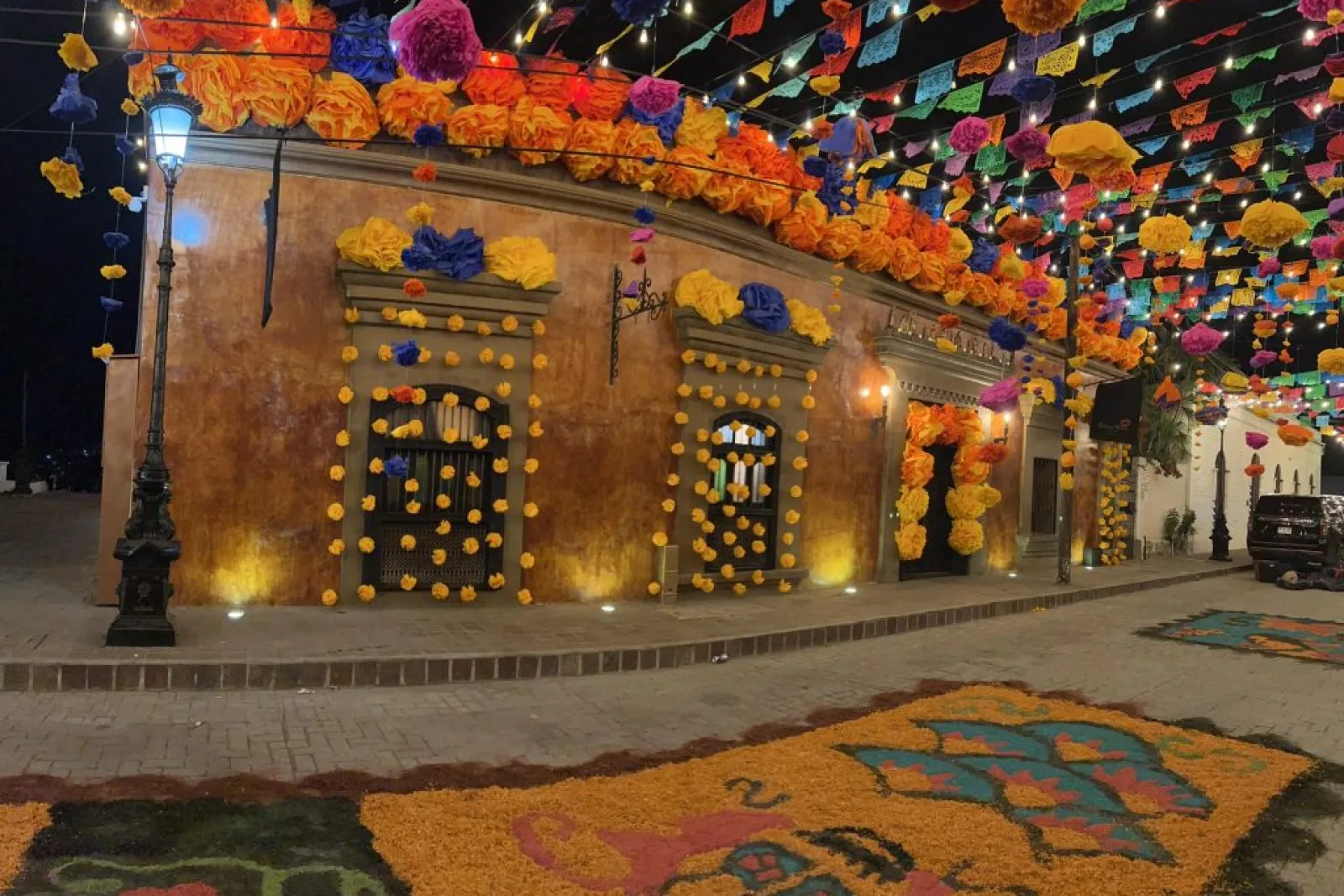
An hour away over the sierra sits Todos Santos, a designated Pueblo Mágico: galleries, cafés, the old mission and the open Pacific beaches, with surf and winter turtle releases. The drive back crosses the mountains and drops you at the Sea of Cortez again.
A day trip there and back works perfectly. If you travel in winter, ask about the sunset turtle releases at Las Playitas.
More than 300 days of sunshine a year. Winter is the high season for marine wildlife; summer is hot, but the sea is in the mid-eighties and the beaches are near empty on weekdays.
The city is small and nothing is more than 25 minutes away. The area decides the kind of trip: walking to the Malecón, waking up facing the water, or having a pool and a garden.
Apartments and neighbourhood houses a few blocks from the water. Restaurants, cafés and the tour departures all within walking distance.
Best for: couples, travellers without a car, long stays
See homes downtownThe road out to Balandra: homes with a view or right on the water, calm swimming beaches and sunsets straight down the bay.
Best for: families, anyone who wants to wake up facing the sea
See homes on the waterQuiet hillside neighbourhoods with panoramic views over the bay and the marina. Villas with private pools.
Best for: groups, celebrations, trips with a car
See villas with a poolAcross from El Mogote: roomy houses with gardens, pets welcome and sunrises over the bay.
Best for: large families, pets, remote work
See homes with a gardenA traditional neighbourhood with well-priced studios and apartments, close to everything and full of local life.
Best for: digital nomads, stays of a month or more
See studiosOutside the city, facing Cerralvo island: wind from November to March and Mexico’s kitesurfing capital.
Best for: kiters, divers, anyone looking to switch off completely
Ask about La VentanaLa Paz has its own international airport, LAP, with connections through Mexico City, Guadalajara, Monterrey and Tijuana. From Los Cabos (SJD) it is a two-hour drive north, and ferries arrive from Mazatlán and Topolobampo if you are bringing a car.
Anything else? Ask us directly — we know the place first-hand.
Ask on WhatsAppTell us the dates and how many of you there are, and we will say which home fits.
We reply fast · every day, 07:00 to 20:00